Lately I have been thinking about hosting some of the blogs and projects I run on a dedicated server of my own. My ISP handed me a few static IPs and two 1 GB/s connections (upload and download), which is more than enough to serve real traffic from home. The moment those numbers landed, my first love came to mind: the HP Z800 workstation. Because I spend a lot of my working hours in the photo and video industry, I had already bought another custom built system, so in a sense I cheated on her.
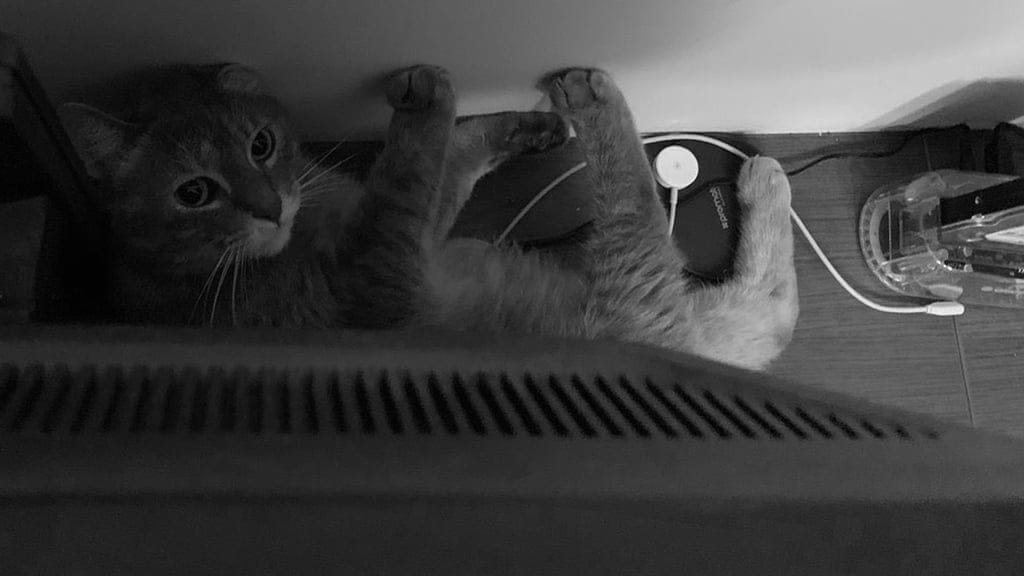
She took it badly. She retreated to her room, settled into a corner, and covered herself with old clothes I no longer wear and keep around to donate to someone who needs them.
Then I thought to myself: what if?
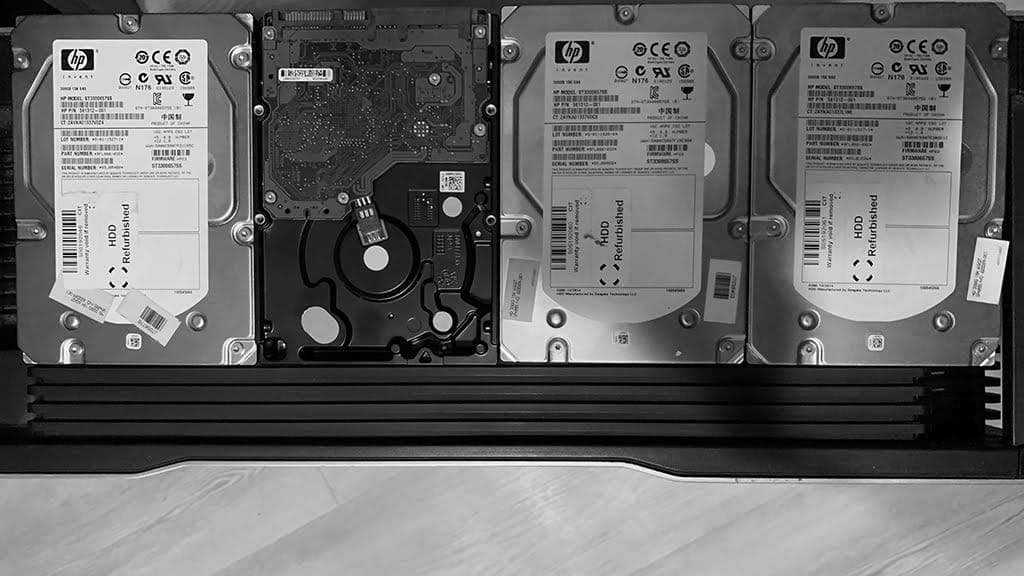
I set the projects aside and went shopping for some vintage outfits from the Chanel of second hand server parts: 48 GB of RAM, two SSDs, a handful of SAS drives, and a controller to run them. I got the job done in an afternoon. I will admit there was a moment of nostalgia in there, a low opinion of myself mixed with plain joy. I thought about how many years this machine carried me, how I learned Photoshop and Premiere on it. Good times.
Second-hand parts are the cheerful half of server upkeep; the intimidating half was moving JasmineDirectory’s VPS from CentOS to AlmaLinux, a job the cPanel ELevate project turned out to make manageable.
Giving old hardware a second job
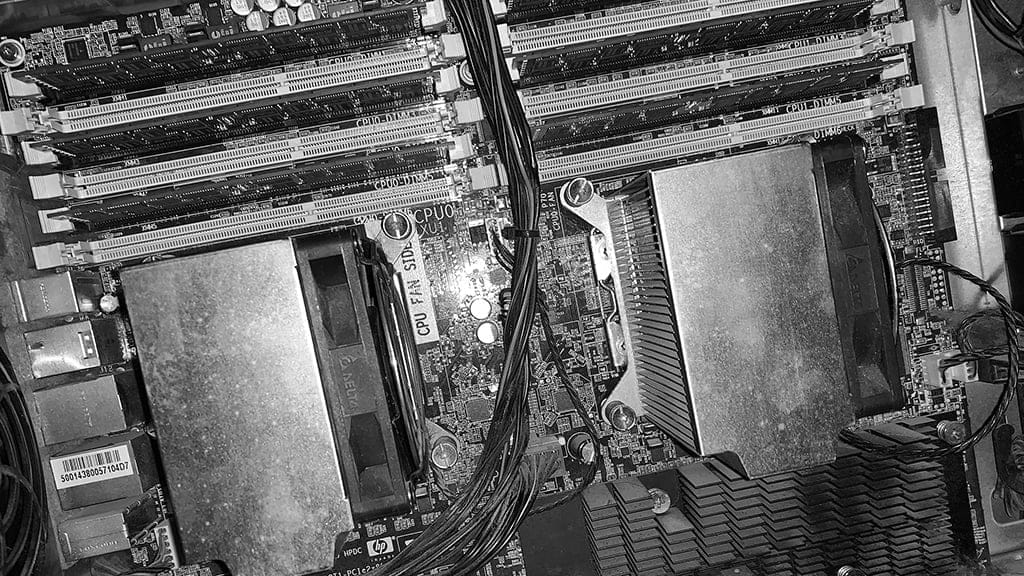
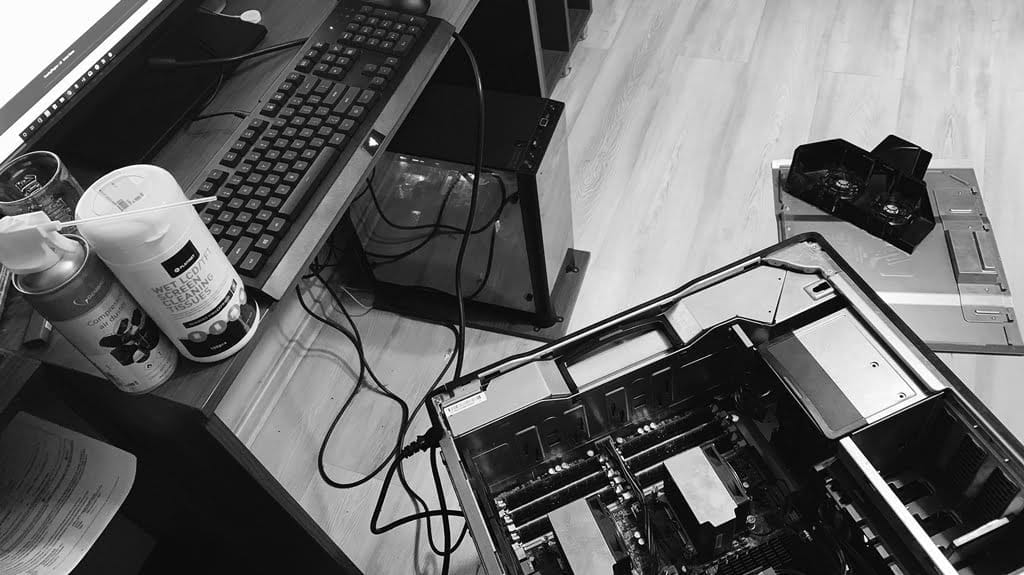
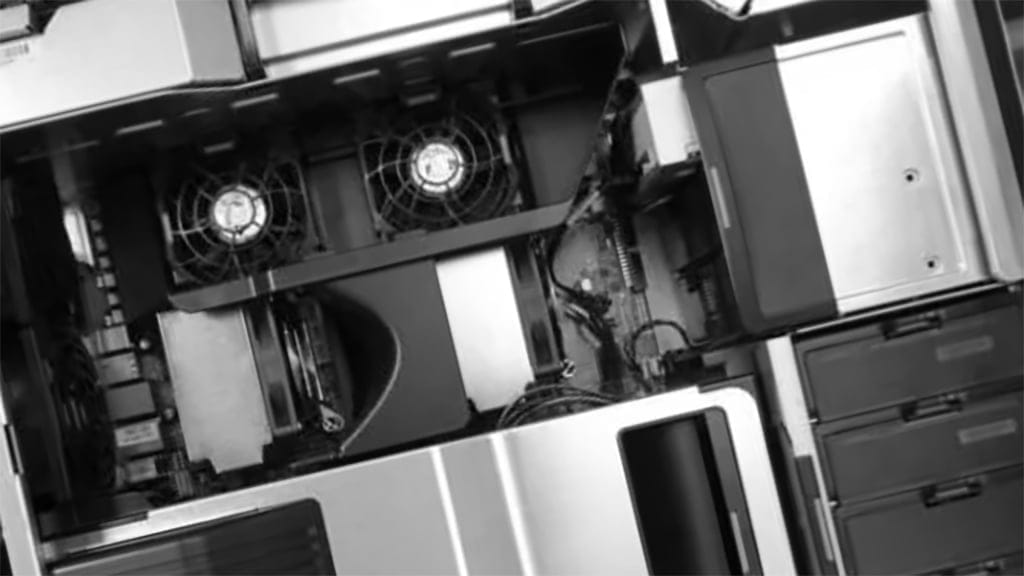
The Z800 never gave me trouble, which is half the reason I trust it with a new role. I opened it up, ran the cleaner over it, wiped years of dust off the fans and heatsinks, and replaced a few tired parts. Workstations from that generation were built for continuous load: server grade Xeon sockets, ECC memory, and power supplies rated for far more than a desktop ever demands. That is exactly what you want from a box meant to stay powered on for months at a time.
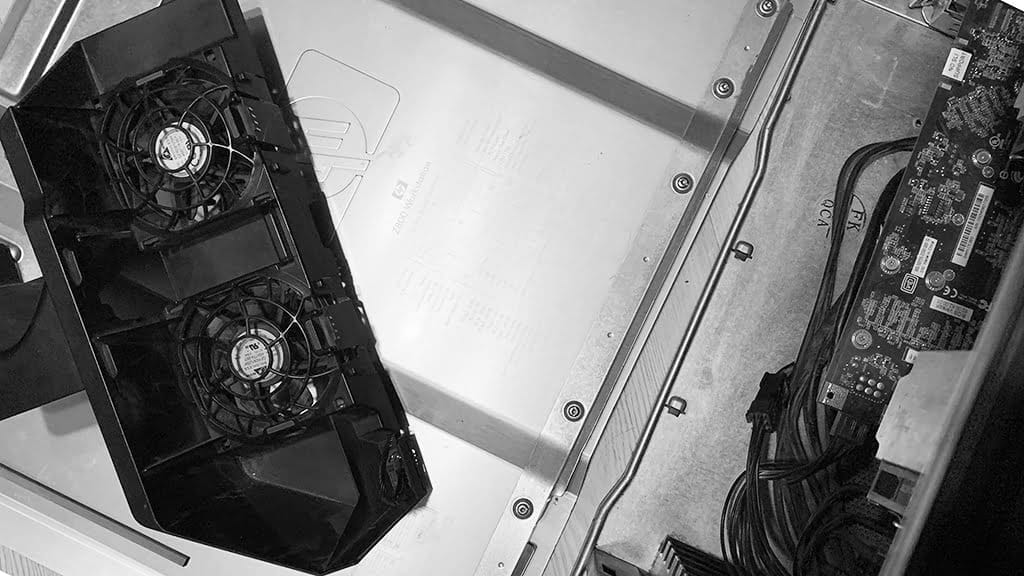
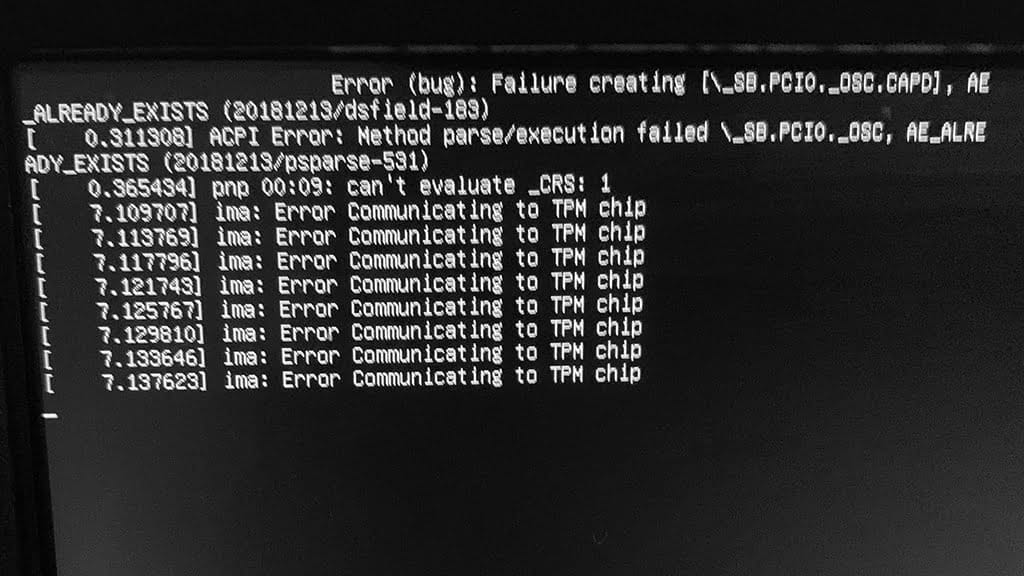
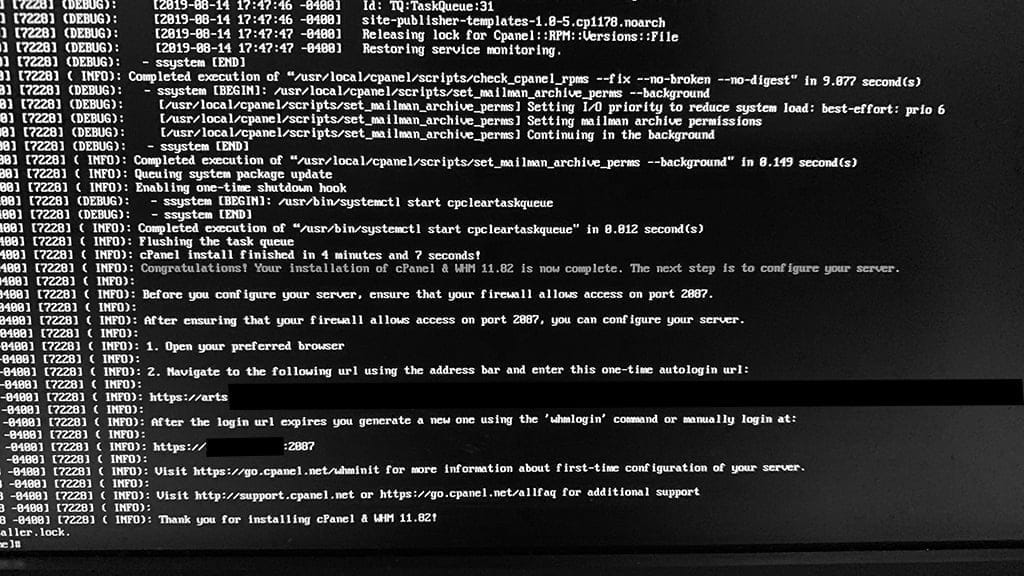
Then I installed CentOS with WHM and cPanel to handle the hosting side. I pulled the graphics card out entirely. My old love has a different purpose in my life now, and there is no need for her to show the world what she is capable of. Without the GPU drawing power and pushing heat, she runs quietly and breathes like a newborn. :)
If you are weighing a similar project, the honest trade-offs are worth naming. Older Xeon platforms sip less efficiently than modern chips, so your electricity bill will notice a machine that runs day and night. SAS drives are loud and warm compared to SSDs, though they are cheap per terabyte and hold up under constant access. Set against those costs is the simple fact that the hardware already exists, already works, and owes you nothing. For a hobby server or a personal project stack, repurposing a proven workstation often beats buying a new low power box that you will outgrow anyway.
The dual Xeon 5690 Z800 upgrade with RAID0 SSDs and NVMe storage is a case in point: the platform is old, but it still has real work left in it.
Why hosting your own projects still makes sense
There is a practical reason to keep this kind of infrastructure close. When you host your own blogs and side projects, you control the stack, the backups, and the uptime, and you learn the plumbing that most people rent and forget about. Running WHM and cPanel on your own iron means you can spin up a new site in minutes without waiting on anyone, and you can experiment freely because a broken configuration only affects you.
Self hosting does put more on your plate, though. You become the person responsible for security patches, for renewing certificates, for making sure the SAS array does not fill up unnoticed. A machine on your home connection also depends on that connection staying up, so those two 1 GB/s lines are doing real work here. None of this is hard, but it is ongoing, and it is worth being clear eyed about before you point a domain at a box under your desk.
Getting found once the server is running
A server humming away in the corner is only useful if people can actually reach what it serves. That is a different problem from keeping the hardware alive, and it is easy to ignore until your blog goes live to an audience of nobody. Most people looking for a business, a service, or a useful resource start with a search engine. Pew Research Center’s work on where people get information about local businesses found that Americans turn to the internet ahead of any other source, with 38% of adults using search engines to find restaurants, bars, and clubs and 36% using them for other local businesses. Whatever you publish, search is usually the front door.
Search alone is not the whole story, though. The way information is organized decides whether anyone can find it, and browsing structured categories works alongside searching as a way people locate what they need. That is the argument Louis Rosenfeld, Peter Morville, and Jorge Arango make in Information Architecture: For the Web and Beyond (2015), and it applies to your own site as much as to the wider web. Clear navigation, sensible URLs, and honest page titles do more for discovery than any clever trick. It is also why curated, human edited directories still matter: being listed somewhere a person already trusts gives a small project a path to visibility that raw search ranking may take months to grant.
A few practical takeaways
If you want to try the same thing, here is what I would keep in mind:
- Clean the hardware properly before you commit to it. Dust is the quiet killer of any machine that runs around the clock.
- Strip out anything you do not need. Pulling the graphics card cut noise, heat, and power draw in one move.
- Budget for electricity and cooling, not just the parts. A workstation running full time changes the math.
- Sort out backups before you host anything you care about. Owning the server means owning the recovery plan too.
- Once it is live, spend real effort on how the site is structured and where it gets listed, so the work you host can actually be found.
My Z800 is not doing what it was born to do anymore, and that is fine. She traded rendering timelines for serving pages, and she does it without complaint. If you have an old workstation gathering dust, give it a second look before you sell it. The best server is often the one you already own and already trust.